
Why Does My Sewer Keep Backing Up After It Was Cleaned?
A sewer can back up again when clearing restores flow but leaves an underlying problem unresolved. Another obstruction, recurring roots, or damage may need investigation. The return of symptoms does not prove that the whole line needs replacing—or that the last contractor did something wrong.
The useful next step is to connect what happened during the last visit with what is happening now. That gives the next assessment a starting point beyond “it is blocked again.”
Call About Private Sewer Repair — (916) 659-9573
Ask about assessment charges and appointment availability.
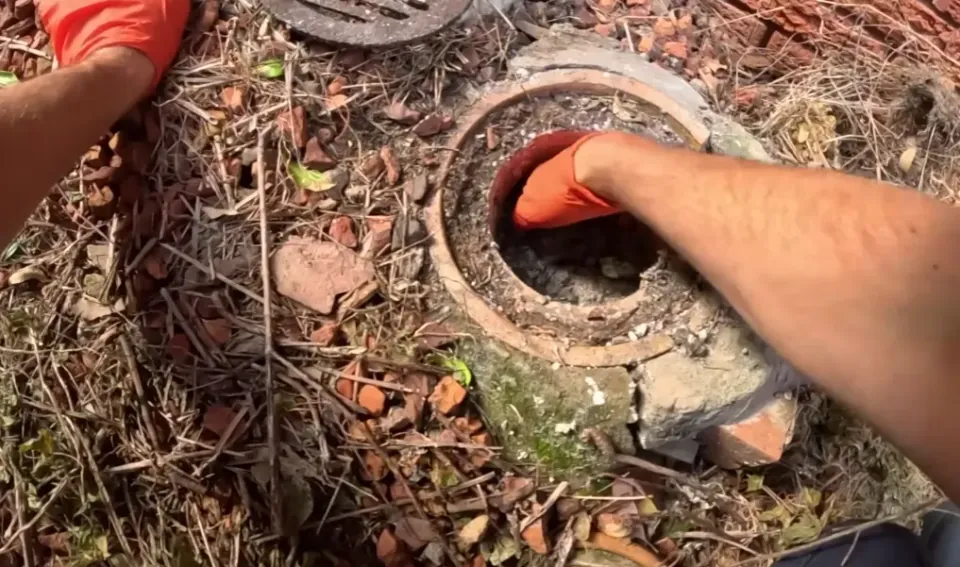
If wastewater is backing up now
Stop using fixtures that add wastewater to the affected system. Keep people and pets away from contaminated areas, and do not open a backed-up cleanout yourself.
If SacSewer serves your property, follow the district’s call-first guidance at (916) 875-6730. This is the district’s reporting number, separate from North Highlands Sewer Pros. Our backup-help page explains that distinction.
Start with what the last visit established
Find the invoice, written notes, photographs, or inspection recording. Look for the section worked on, the method used, and what the provider said caused the restriction. “Line cleared” describes a result; it may not explain why the obstruction developed.
If no cause was documented, say that when booking. If the report identified a defect, have the exact wording ready rather than relying on a description remembered from the visit.
| What you know | What still needs explaining |
|---|---|
| Flow returned after cleaning | Was the cause identified, or was the immediate obstruction removed? |
| Roots were found | Where were they entering, and what did the pipe look like afterward? |
| The camera stopped before reaching the end | Which part of the line remains unassessed? |
| Symptoms returned in different fixtures | Is the current issue in the same section? |
| The invoice includes a repair recommendation | Which recorded finding supports that work? |
Why the timing matters
Tell the provider whether the improvement lasted hours, weeks, or longer. Also explain whether normal use resumed and whether the same fixtures are affected.
A quick return deserves a prompt conversation with the company that performed the work. Ask what its invoice covered, what findings it recorded, and whether any follow-up terms apply. A returning problem does not establish that a revisit is free; confirm that before arranging attendance.
Timing helps describe the problem. It cannot identify a buried defect by itself.
What an inspection can clarify
A camera inspection for a recurring blockage may help show the condition of the accessible pipe. The provider should explain whether cleaning is needed first and what sections the camera can actually view.
Ask to receive the recording and a description of any limitations. The distinction between maintenance and assessment matters: NASSCO’s maintenance guidance discusses inspection alongside cleaning and removal of obstructions. Clearing and documenting the remaining condition answer different questions.
If roots are confirmed, discuss root removal separately from any proposed repair to the affected pipe or joint. Removing growth does not, on its own, establish that the entry point has been corrected.
Does recurrence mean replacement is the next step?
No. A replacement proposal needs evidence about the pipe, the extent of the problem, and why the proposed work addresses it. Ask the provider to distinguish a limited defect from findings affecting a longer section.
If the inspected area is small or the view is poor, ask what remains uncertain. You can request a fuller explanation before choosing between more assessment, cleaning, repair, and replacement. Our North Highlands sewer repair options bring those decisions together.
Make the next call more useful
Have these details ready:
- The service address and fixtures affected now.
- The date of the previous visit and how long the improvement lasted.
- The previous scope and any recorded findings.
- Whether wastewater is entering the building.
- What the district has already checked, if applicable.
Call About a Recurring Sewer Problem — (916) 659-9573
Ask who can assess the line, what the visit includes, and how much it costs before booking.